Build different kinds of round
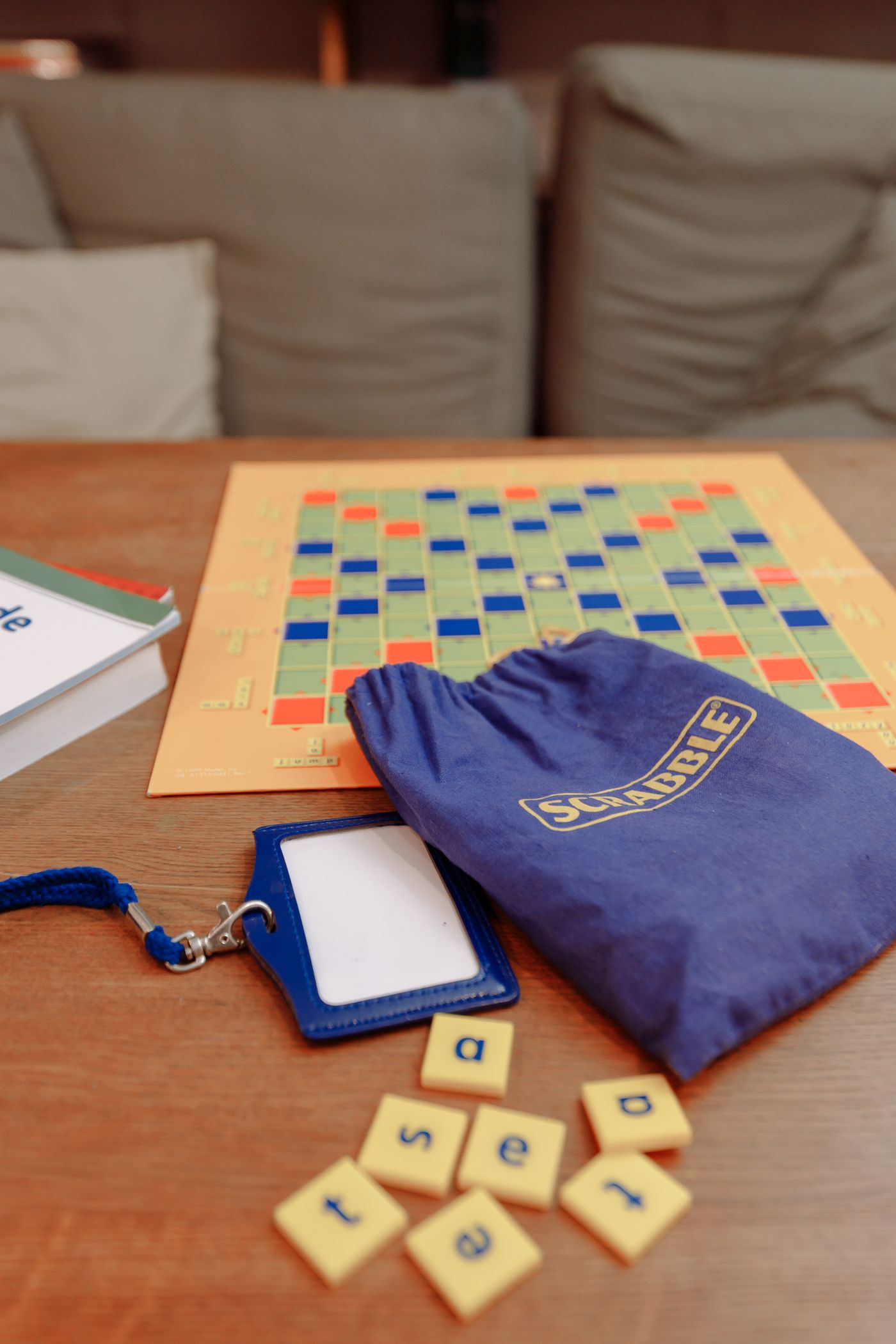
Prepare a few short rounds with varied subjects: everyday objects, pictures, lawfully available music or simple observations. Do not rely only on your favourite field. If different generations are present, balance references instead of treating one era as familiar to everyone.
Write the answers while preparing questions and verify facts through reliable sources. An ambiguous question may have several defensible answers. Reword it or explicitly accept those possibilities. Avoid personal information about guests unless they offered it willingly and it will not make anyone uncomfortable. The group should not discover that private anecdotes have become quiz material after the evening begins.
If possible, test questions with someone who will not play. Ask what they understand before showing the answer. This reveals vague wording, tiny images and references assumed to be universal. Keep fewer, clearer questions rather than trying to fill a long evening. Record accepted answer variants so scoring does not depend on remembering your intention.
Make answering accessible
Read questions clearly and provide a written version where useful. Rounds based only on a sound or tiny image may exclude some people, so offer another way to access the information. Mixed teams encourage discussion, but watch that one voice does not make every decision.
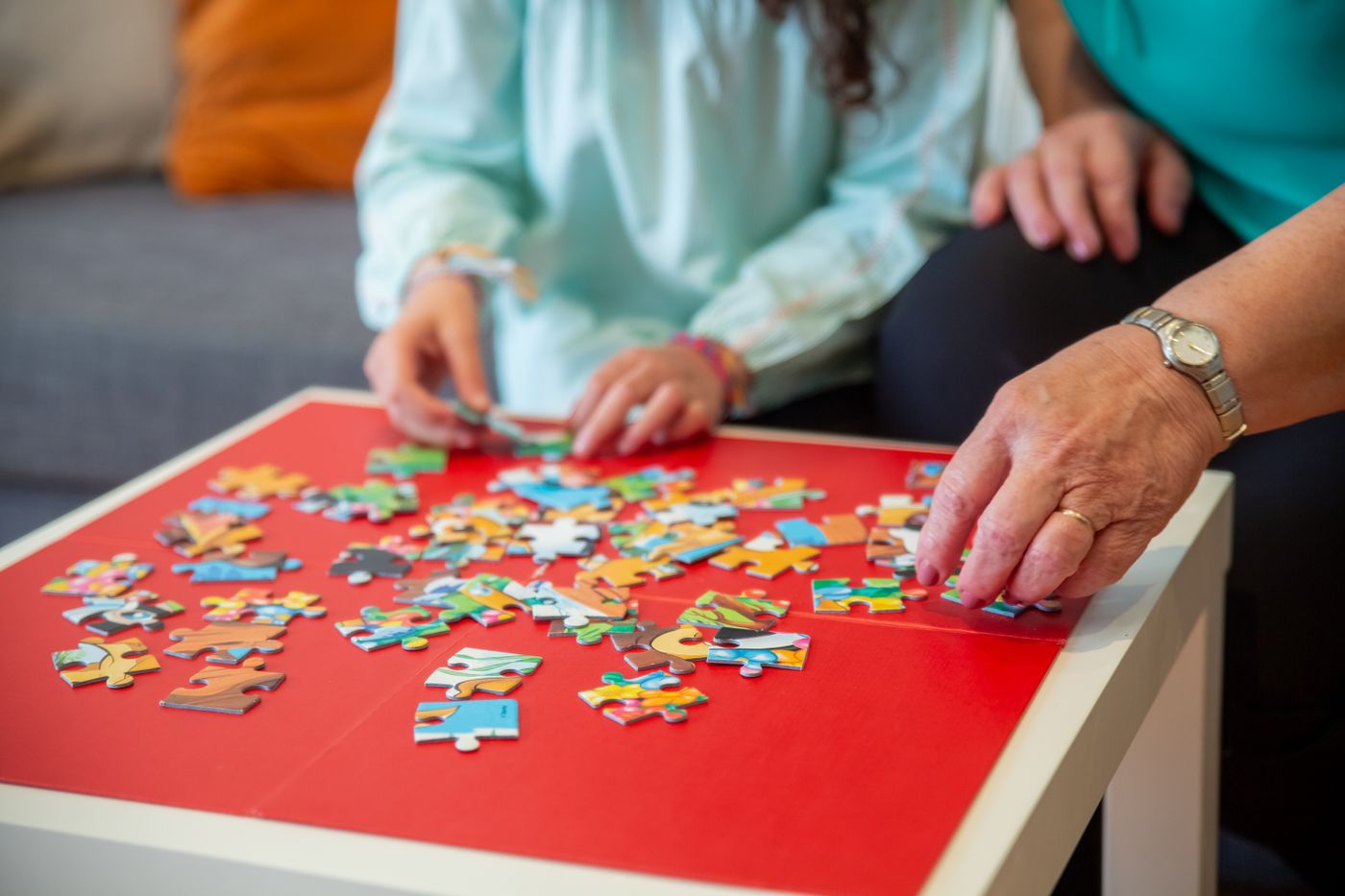
Allow reasonable thinking time and announce when it is nearly finished. Try a round involving sorting objects, completing an association or choosing among options. Not every question needs immediate recall of an exact name. A sample question can demonstrate the format without affecting anyone's score or making unfamiliar instructions part of the challenge.
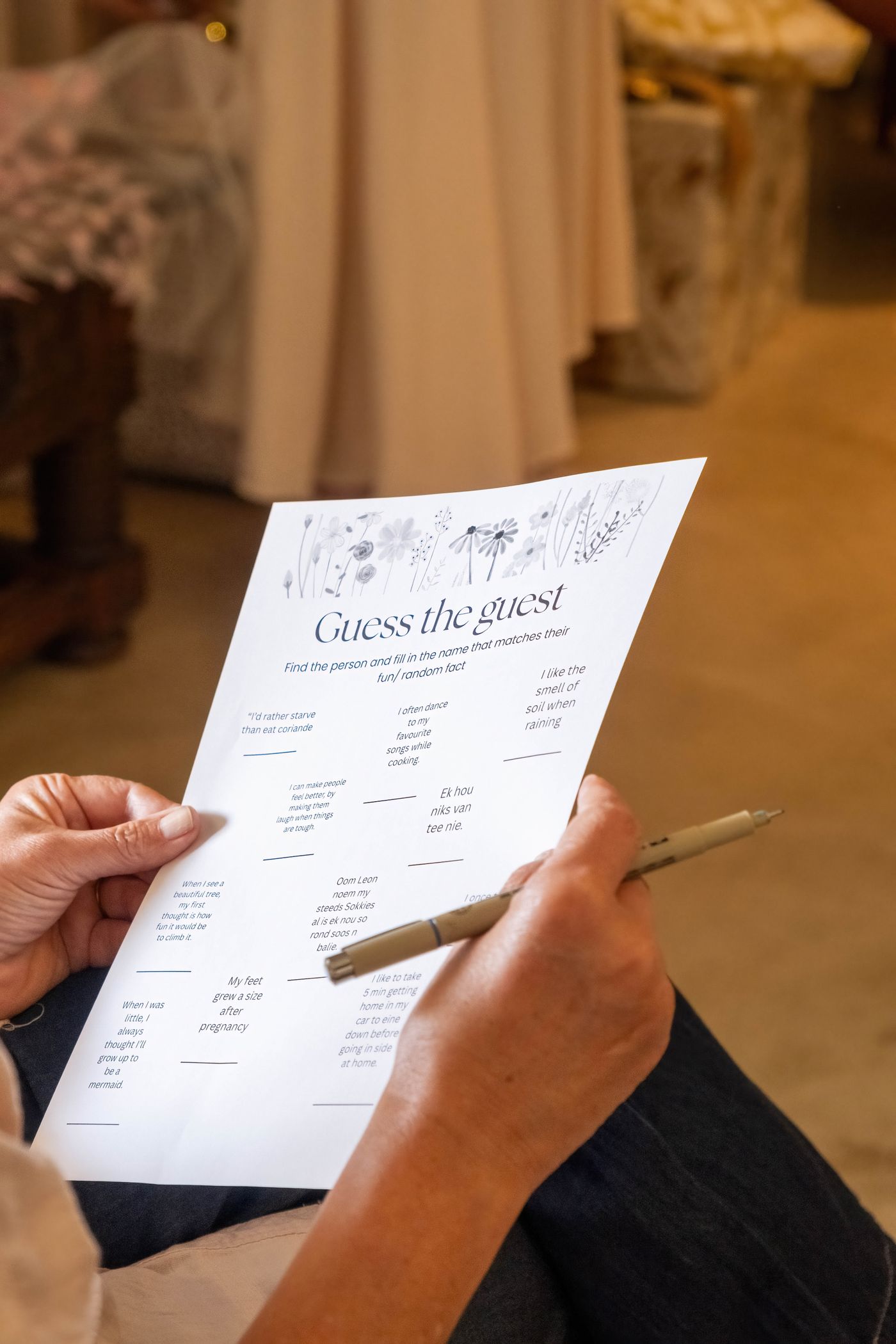
Provide working pencils and paper, and show where team names and answers belong. Consistent answer sheets make checking easier without deciphering several systems. Number picture-round images clearly and check that captions or filenames do not reveal answers. If using a screen, confirm visibility from every seat before making small visual details part of the challenge.
Keep scoring proportionate
Explain the scoring at the beginning and apply it consistently. If an answer exposes a mistake in your question, correct it without turning the discussion into a defence of your authority. A practice round helps confirm that everyone understands the format.
Finish after the agreed number of rounds rather than adding questions until the ranking changes. A prize is optional; if included, keep it modest and announce it beforehand. Share particularly enjoyable questions and answers afterwards if people want them. The conversation a quiz starts matters alongside the number of correct responses achieved by the winning team, and nobody needs to prove expertise to have a place at the table.