Measure the table and the appetite for play
A games evening begins with two separate questions: how many people are coming, and how do they want to play? Some enjoy long strategic decisions, while others prefer talking between short rounds. Ask about preferences before bringing out boxes. A game you love is not automatically right for this group on this particular evening.
Then consider the available surface. There must be room for shared components, individual cards and comfortable movement. A small table may suit a compact card game but become unusable with a large board and several pools of tokens. Try laying out the components before guests arrive. Put drinks on a separate surface where possible without creating obstacles around the chairs.
Prepare two choices, not the whole collection
Select one main game and one shorter alternative. Check the player count, advertised duration and any reading or handling requirements. A duration printed on a box often assumes players already know the rules, so allow longer for a first game. If someone has difficulty distinguishing colours, check whether symbols or shapes communicate the same information.
Count important pieces and read the rules beforehand. Do not promise to teach a game you will be discovering entirely alongside everyone else unless the group welcomes that approach. Starting components can go into small containers, but leave the board visible so people can understand what they will use. Avoid surrounding the table with spare boxes that reduce elbow room.
Also decide how to resume after an interruption. A photograph of the board with the group's agreement, a turn marker or a note of the current round may suffice. Do not photograph other players' cards in a game with hidden information. This helps when someone needs to take a call or the group needs an unplanned pause.
Explain in the order people will experience play
Begin with the objective: what players are trying to achieve and how the game ends. Then show what one person does on a turn. Demonstrate a concrete example with the pieces, introducing exceptions when they become relevant. Reading a whole rulebook aloud before anyone handles a component demands attention without providing many useful reference points.
Offer a short practice round or make clear that the first turn is for learning. During that phase, allow a decision to be reconsidered if an essential rule was misunderstood. Afterwards, apply the same conventions to everyone. When a question arises, check the rule together rather than treating your previous experience as conclusive evidence. Different editions can also contain different wording.
Share decisions as well as the table
In a cooperative game, avoid letting one person announce every move. Ask the active player what they are considering before offering a suggestion. In a competitive game, do not comment on every apparent mistake. Learning can include imperfect choices. Help is useful when wanted, not when it removes someone's opportunity to decide.
Provide a point at which someone can take a break without explaining themselves. Games with short rounds make changing players easier. If a guest arrives later, say when they can join rather than asking them to wait indefinitely. Someone who chooses to watch can remain a spectator; they do not need to be recruited again on every turn.
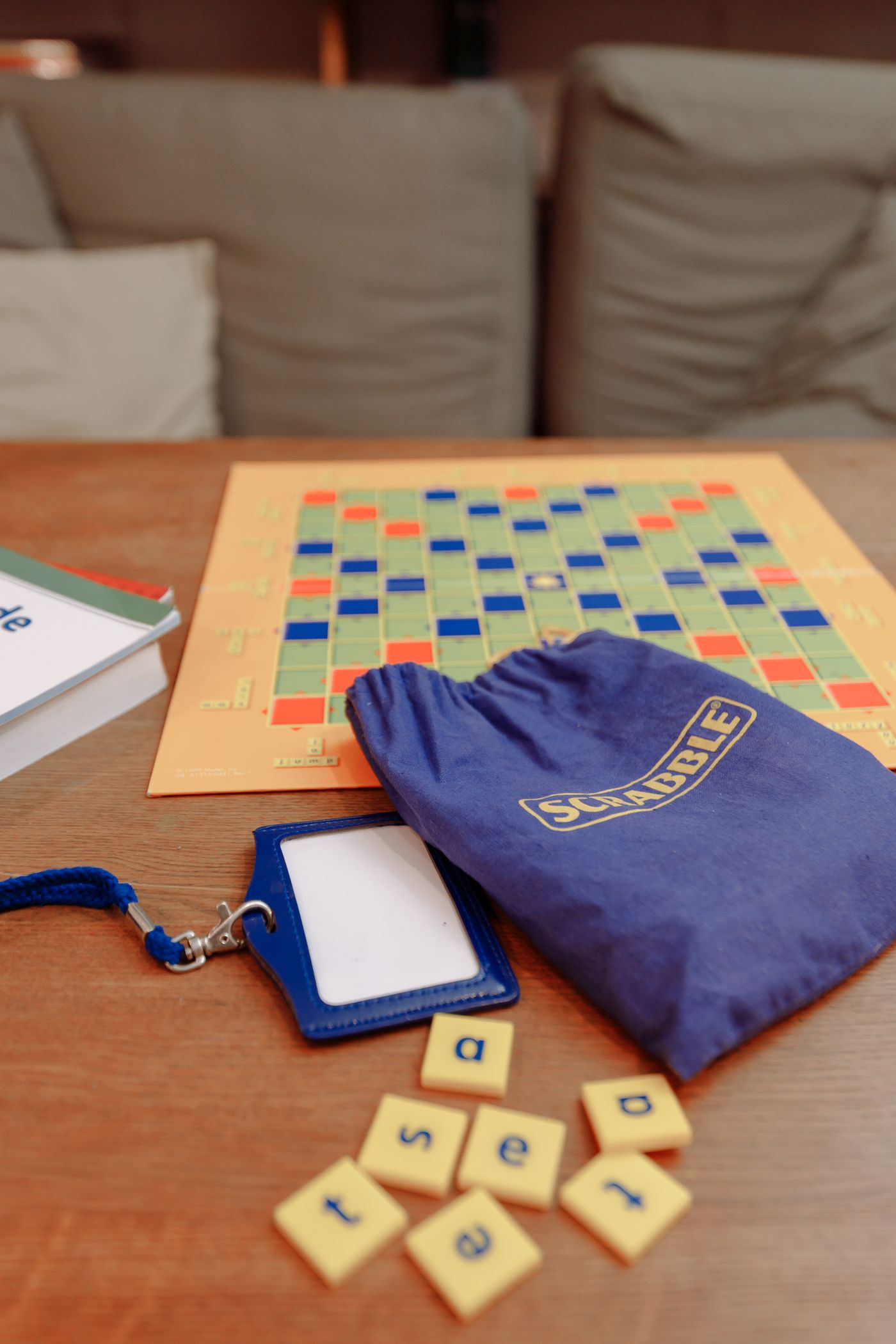
For games requiring quick arithmetic, agree whether players may use paper or check together. In word-based games, leave time for people to find what they want to say. Adjusting the pace does not require changing every rule, but it can prevent a reading or handling difficulty from becoming the real focus of the evening.
Know when to finish
Agree an approximate finishing time so a long game does not begin just before people intend to leave. If the main choice does not suit the group, finish a round and switch to the shorter alternative. Changing games is not a criticism of the person who suggested the first box.
Check beneath the table for pieces before packing away, and return cards to their compartments. Keep only useful notes for another evening: a table that was too narrow, an explanation to shorten or a game that suited the group. The score need not be the main memory. Giving everyone room to understand, choose and leave comfortably creates a reason to play together again.