Choose a place and clear boundaries
Use a garden, park or small area you know. Check access and choose boundaries that are easy to explain. Participants stay together or in accompanied groups according to age and needs. This is not a race to find an object before everyone else.
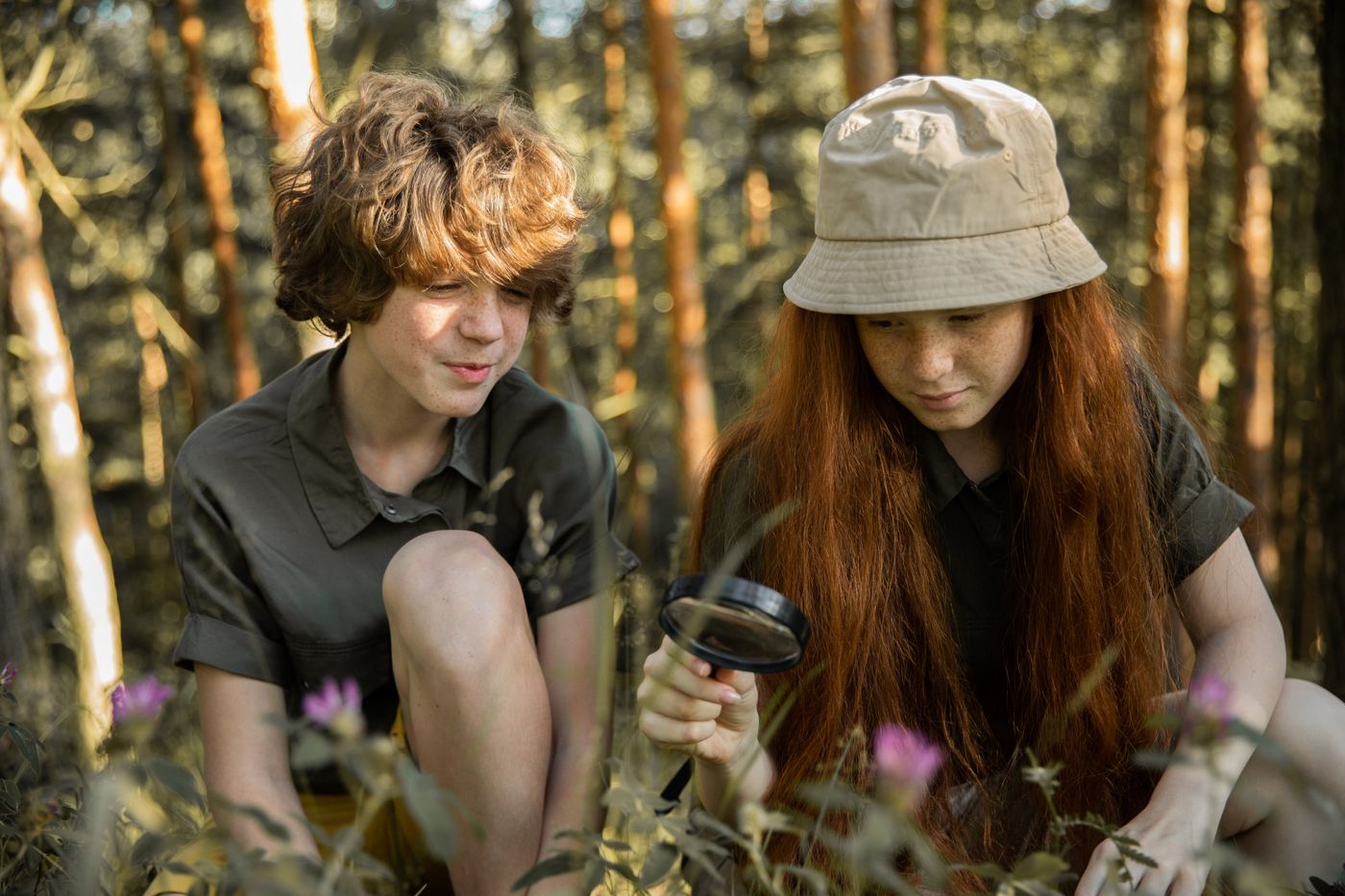
Prepare six visual prompts: something round, two different textures, a narrow shadow, a repeated colour, a curved line and something moved by the wind. These categories avoid depending on a specific species or object that may be absent. Observe without pulling up plants or taking other people's belongings. Explain that showing a discovery is enough; nobody needs to bring it back.
Share what people notice
When someone finds a detail, they show or describe it to the group. One discovery may answer several prompts. Discuss what makes it interesting rather than enforcing a scoring rule. People who find colours difficult to distinguish can concentrate on shapes and visible textures.
If using photographs, take them from a safe position and respect other people nearby. An oral description or sketch works too. Avoid prompts requiring contact with an unknown plant or leaning over water. Adapt the list to the place rather than treating completion as more important than comfort or safety. Ask quieter participants whether they want to share without putting them on the spot.
Bring the observations together
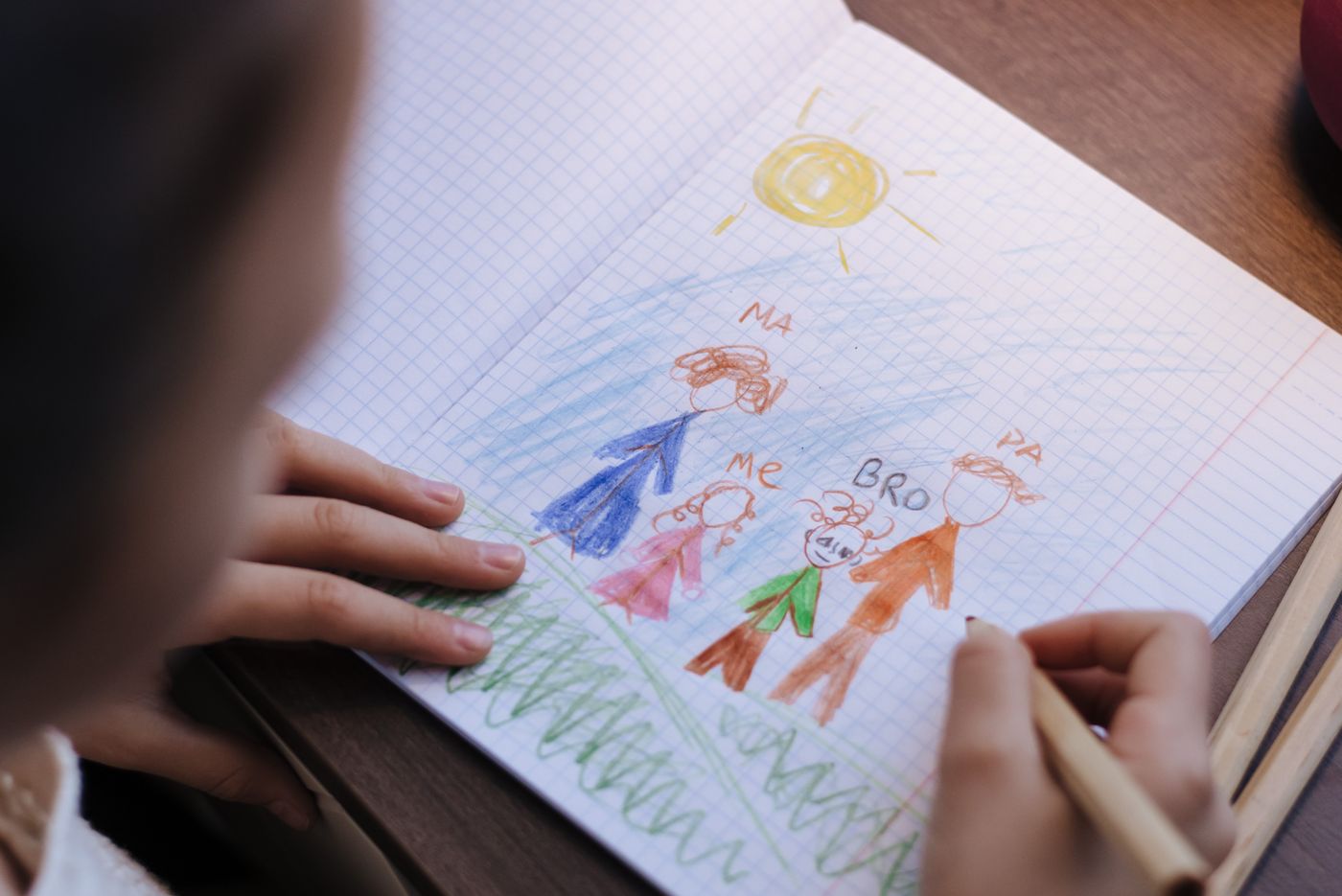
At the end, choose three discoveries to describe together. Draw them on one shared sheet or write a sentence about each. There is no need for a winner or a reward for whoever spoke fastest.
Allow the activity to finish before every prompt has an answer. Changing weather, tiredness or a crowded space are good reasons to shorten it. Check that you leave with your own belongings and no accidental collecting. Another outing can use the same questions: the answers will change with the place, light and people doing the looking. Keeping the prompts simple makes repeating the activity easier without reproducing an identical experience.