Select a small amount of material
Use flowers or leaves you are allowed to pick, such as plants from your own garden with any necessary agreement. Do not collect protected species or take material where gathering is prohibited. Choose clean pieces without visible moisture and identify them sufficiently to avoid handling irritating or toxic plants.
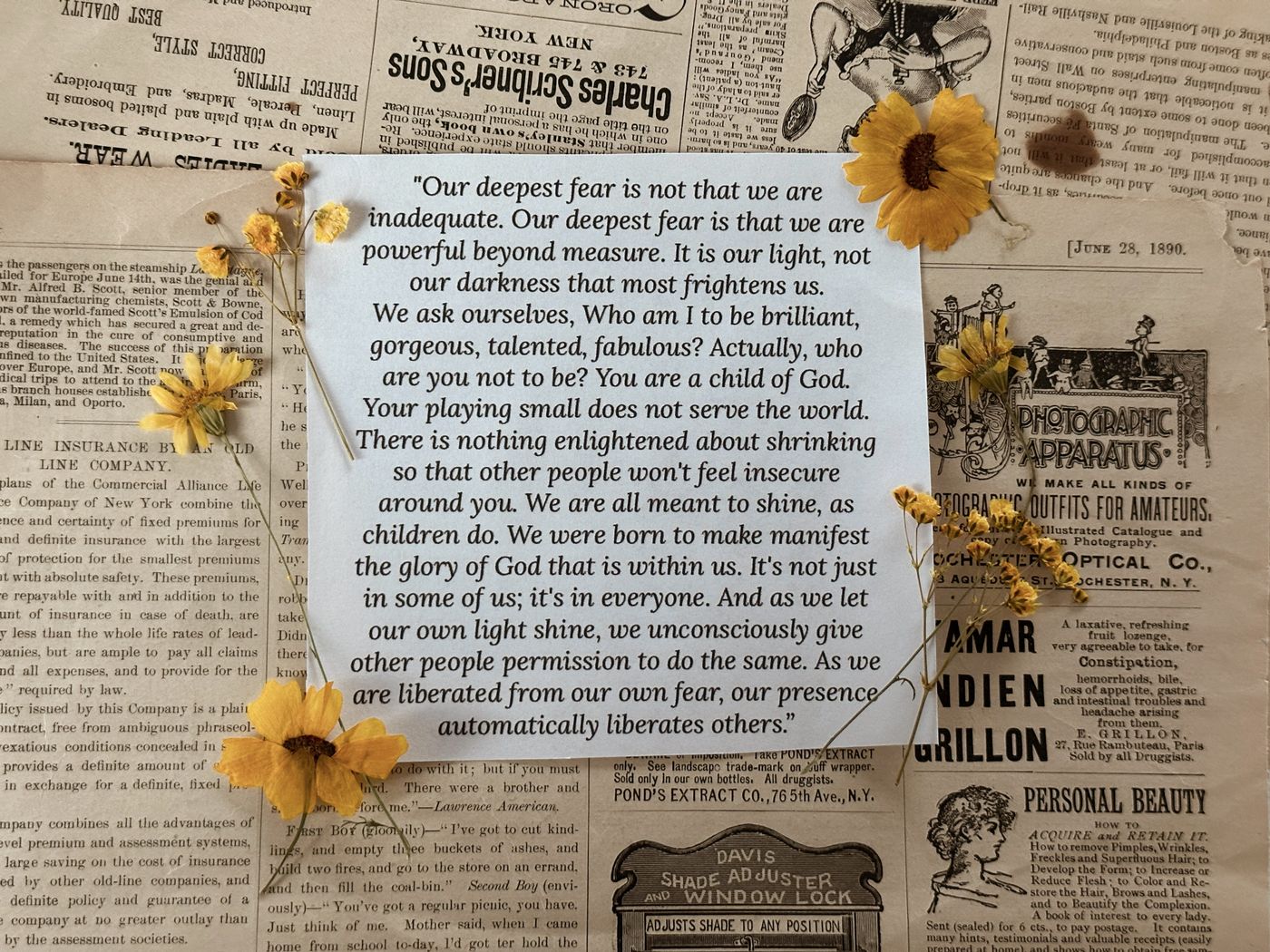
Small, relatively flat flowers and thin leaves are easier for a first attempt than thick blooms. Prepare a few extras because some may change colour or tear during drying. The finished card does not need a whole bouquet. A stem and two leaves can provide enough shape, leaving the rest of the paper clear.
Press and wait
Arrange material without overlapping between clean absorbent sheets, then use a suitable press or flat supports beneath a stable weight. Protect books if using them because moisture and pigments can stain pages. Keep the arrangement somewhere dry and out of the way.
Drying time depends on thickness, humidity and method. Check the arrangement appropriately and replace absorbent paper if damp. Do not seal a still-moist, flexible plant onto a card assuming it will finish drying without problems. Wait until it is dry before assembling. If material develops signs of deterioration, discard it rather than hiding the problem beneath another layer.
Compose before attaching
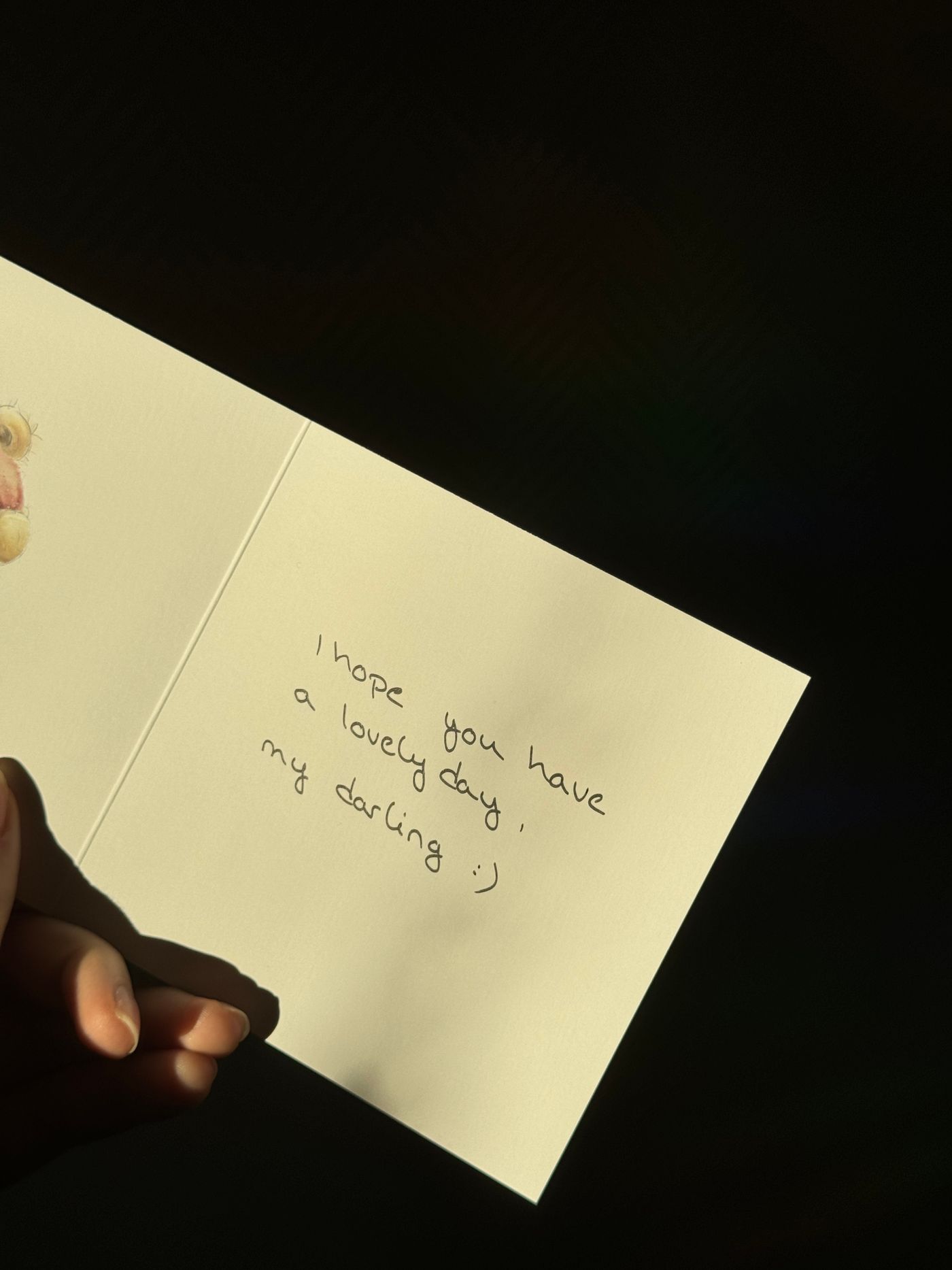
Choose reasonably rigid card and position the pieces using tweezers or clean, dry fingers. Try different orientations before applying glue. Leave room for a short message and keep fragile elements away from the fold, where opening may break them.
Use glue suitable for the materials, sparingly and according to its instructions. Test an extra piece for visible marks and adhesion. Keep the card flat while drying, with protection that will not stick to the surface. Avoid repeatedly moving a flower after fixing it, because dried petals can break even when the stem remains intact.
Protect without promising permanence
Natural colours can change over time even in a carefully made card. Do not describe it as something that will remain identical for years. Add protective backing and an envelope large enough not to crush raised details.
For posting, check appropriate dimensions and postage with the postal service. A particularly fragile card may be better given by hand. Write the message once the composition is dry to reduce unnecessary handling. Store leftover material in a dry, labelled container, or compost it where suitable, instead of keeping damaged pieces simply to fill another card. Making fewer cards with intact material is preferable to forcing every pressed flower into use.