Choose a container that opens easily
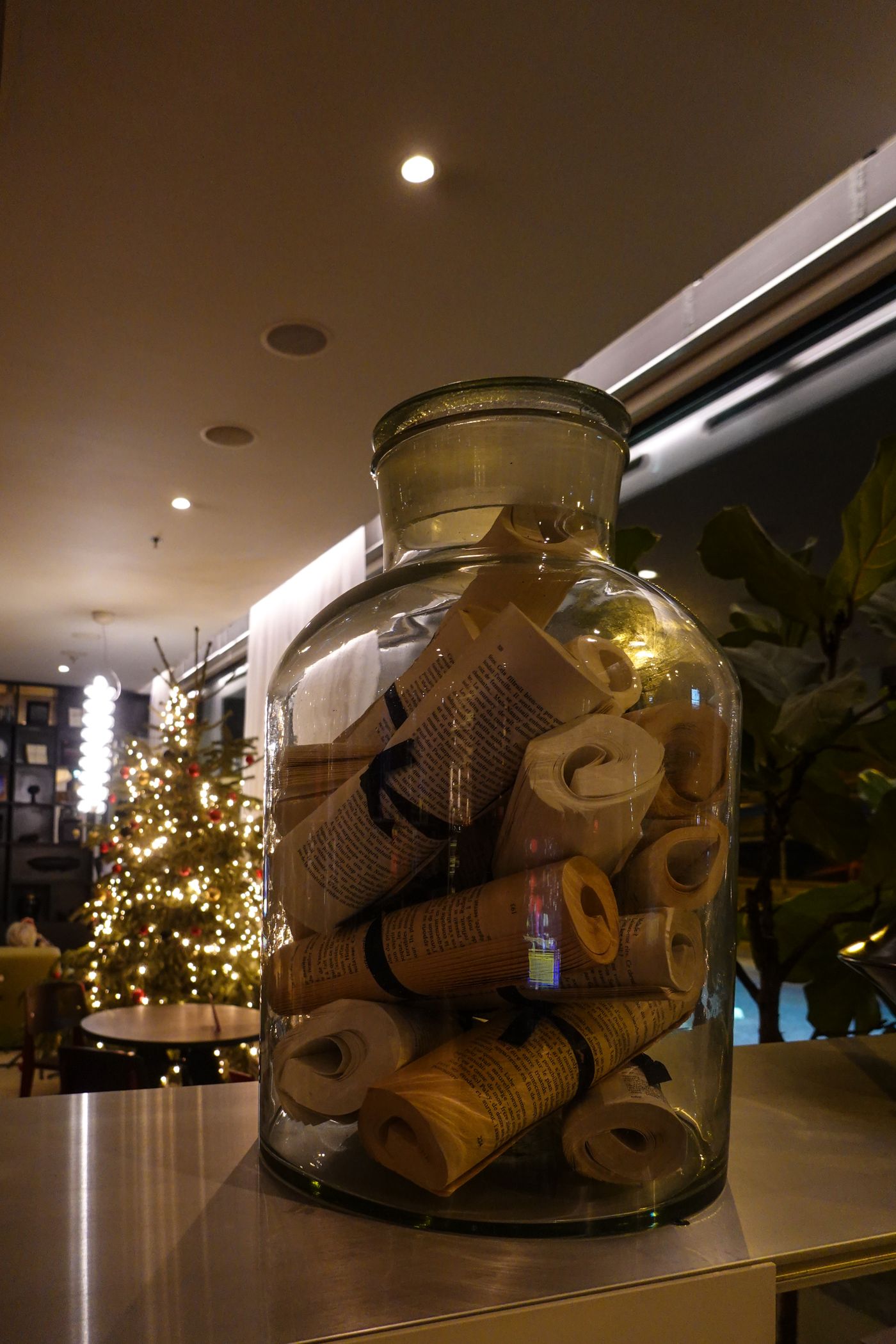
Use something clean, dry and wide enough to retrieve papers without struggling. A transparent jar displays the contents, but a box also works and may be preferable around young children or for posting. Check for damaged edges and make sure the lid opens comfortably. The container should support the messages rather than become a heavy decorative object.
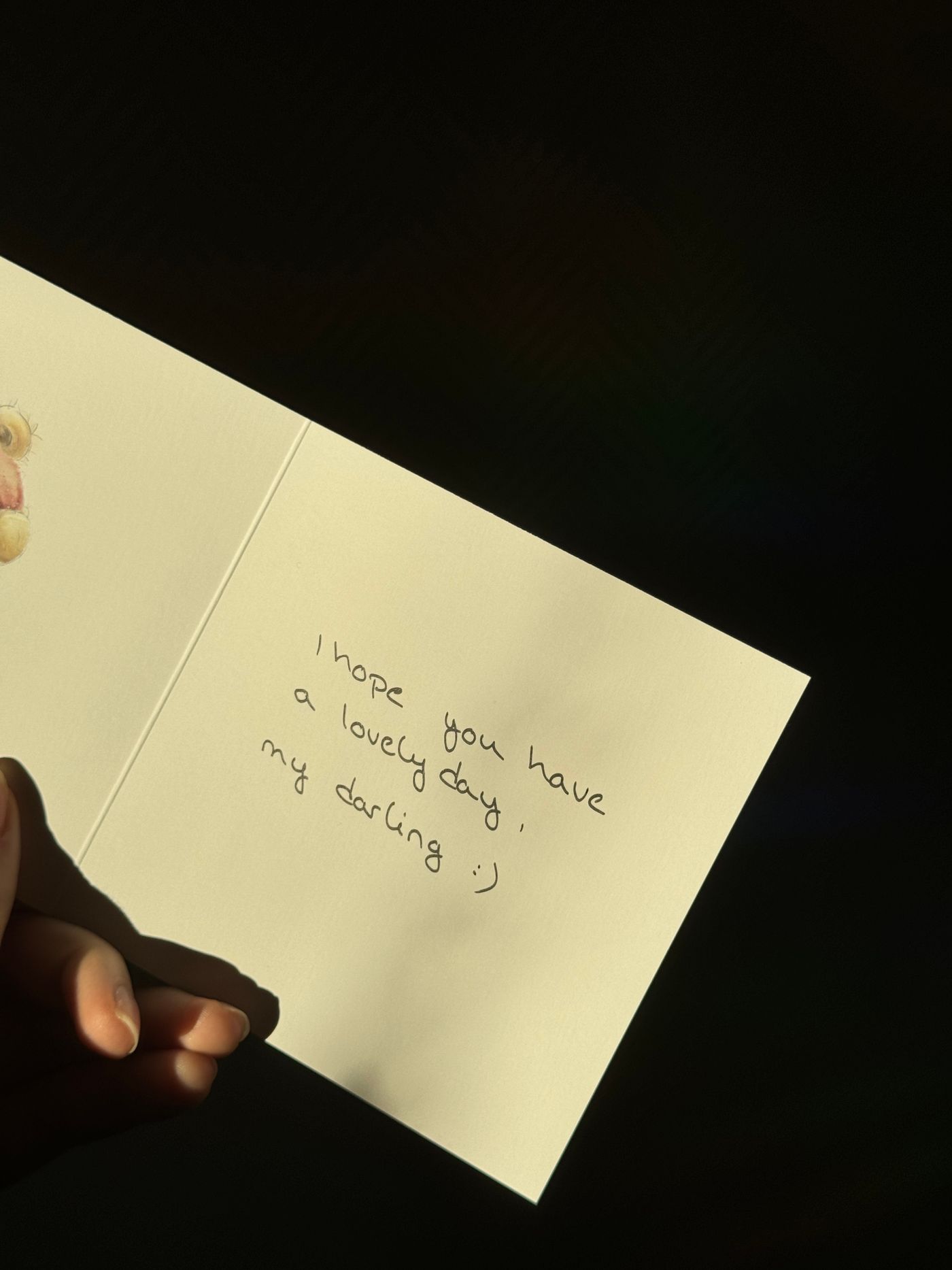
Cut paper large enough for a few readable lines. Test a simple fold instead of tightly rolling every note. For a group gift, give contributors approximate dimensions and a deadline, explaining that a few messages are enough. Nobody needs to write an essay for the gift to feel complete.
Describe scenes rather than labels
Each note can recall a moment: a sentence during a journey, help given on a particular day or a detail from a celebration. Explain what happened and why you remember it. General praise such as 'always wonderful' is less personal than an observation that belongs to your actual relationship.
Vary the content without imposing rigid categories. One message may be funny, another appreciative and a third connected to a place. Avoid embarrassing anecdotes, other people's confidences and memories the recipient might not want revived. If unsure, choose something simpler rather than assuming emotional intensity will make the gift more meaningful.
Organise contributions gently
Ask writers to sign if they want and review what they agree to share. Do not rewrite every message into the same voice; differences are part of the gift. You can check readability and discuss removing clearly private or unsuitable information with its author.
Avoid setting such a high message count that people must invent or repeat themselves. A small, specific collection is better than a jar filled with generic sentences. Someone who does not want to write may draw or choose not to contribute without being described as less caring. Keep the collection process private enough that participants do not feel their contributions are being compared.
Leave the reading pace open
Include a card saying that messages can be read in any order and at any pace. Avoid compulsory daily instructions or promises that the jar will necessarily improve someone's mood. It holds memories and words, not a treatment or a programme to complete.
Protect glass during wrapping and keep the papers dry. A sturdy box may suit travel better than cloth alone. After giving it, do not repeatedly ask which message has been read. The recipient may open everything immediately, leave it closed for a while or keep only certain notes. Those decisions do not diminish the sincerity of what you wrote or turn the gift into something that failed.