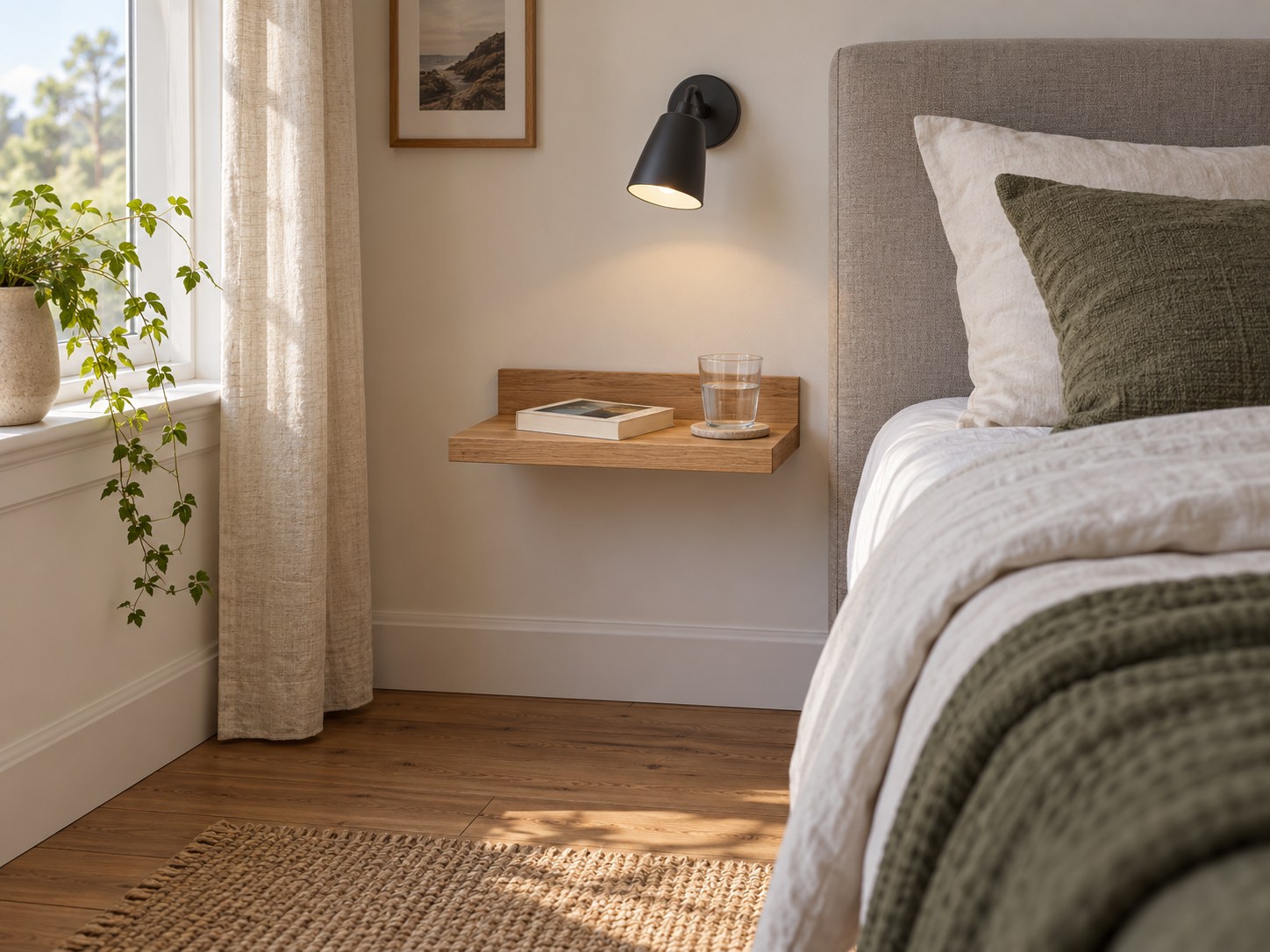
A ceiling light may illuminate the centre of a living room beautifully while leaving a book or armchair in shadow. Before buying another lamp, note your evening activities: reading, talking, watching a screen and walking through. Each needs light in a different position. Every corner does not have to be equally bright.
A lamp beside a chair can light the page, while a more diffuse light makes the table and walking route visible. Try moving lamps you already own before adding anything. Judge the result from the seats rather than standing in the middle of the room. A bulb directly in your line of sight can be uncomfortable even when it is not particularly powerful.
Read the label rather than guessing
Check the bulb fitting, the luminaire's limits and compatibility with any dimmer. Light colour and light output are different properties: a warm-labelled bulb is not necessarily dim. Compare the information on the packaging and aim for consistency between lamps used together, unless you deliberately want contrasting light.
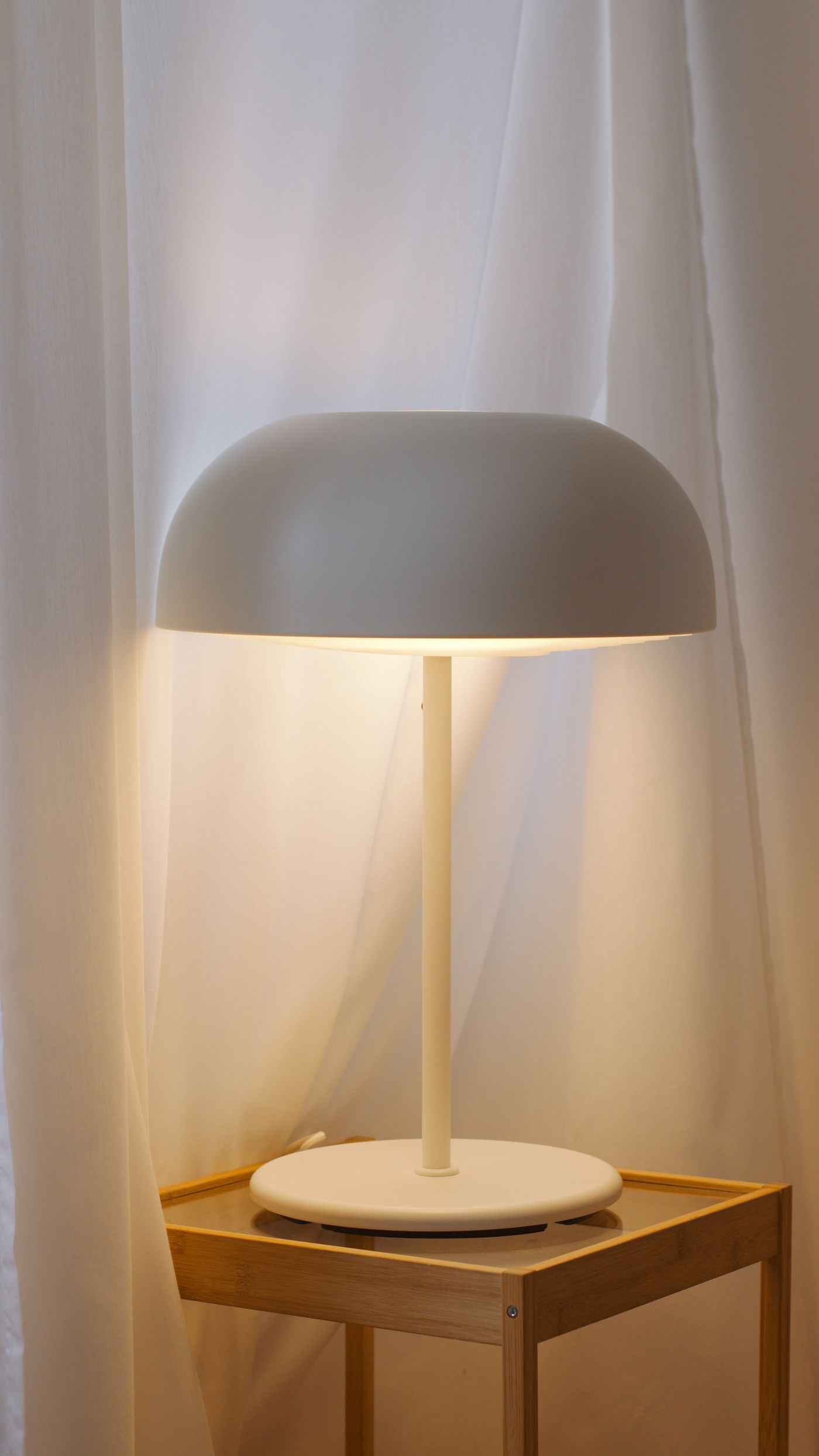
An opaque shade directs light; a translucent one spreads it more widely. Never cover a lamp with improvised paper or fabric to soften it. If it dazzles, change its position, use a compatible bulb or select a shade intended for that fitting. Leave ventilation openings clear and follow the manufacturer's instructions. A decorative solution should not interfere with how the lamp is designed to operate.
For screen viewing, test each lamp separately. A reflection may come from a source far behind you rather than the one nearest the screen. Moving a lamp slightly or adjusting its direction may be enough. Do not automatically darken the whole room if someone still needs to walk through or read nearby. Judge the arrangement with the screen in its normal position and from the seats people actually use.
In a room used as a passage, a modest light near the route may be more useful than a dramatic lamp in an unused corner. Check access from the entrance. If using a switched socket or programmable device, ensure everyone understands manual operation. Pleasant lighting becomes frustrating when it depends on a phone or a setting understood by only one resident, particularly when visitors need to use the room.
Cables should follow a route that does not cross foot traffic. Do not simply hide them under a rug, and avoid chains of extension connections. If sockets are badly positioned, seek advice on an appropriate electrical solution instead of allowing a temporary arrangement to become permanent.
Try the revised layout during an ordinary evening. Can you reach the switch without going around furniture? Does the lamp reflect in the television? Can one person read while another rests? Adjust one light at a time. These observations produce a more suitable arrangement than buying several lamps at once because you like their shapes. Keep the useful changes and return anything unnecessary to its previous place.