Know the surface first
Before hanging a frame, check your tenancy rules and identify the wall surface. Paint, wallpaper and tiles do not respond to adhesive fixings in the same way. A removable label does not guarantee that every finish will remain unmarked. Follow the product instructions and test only where you have permission to do so.
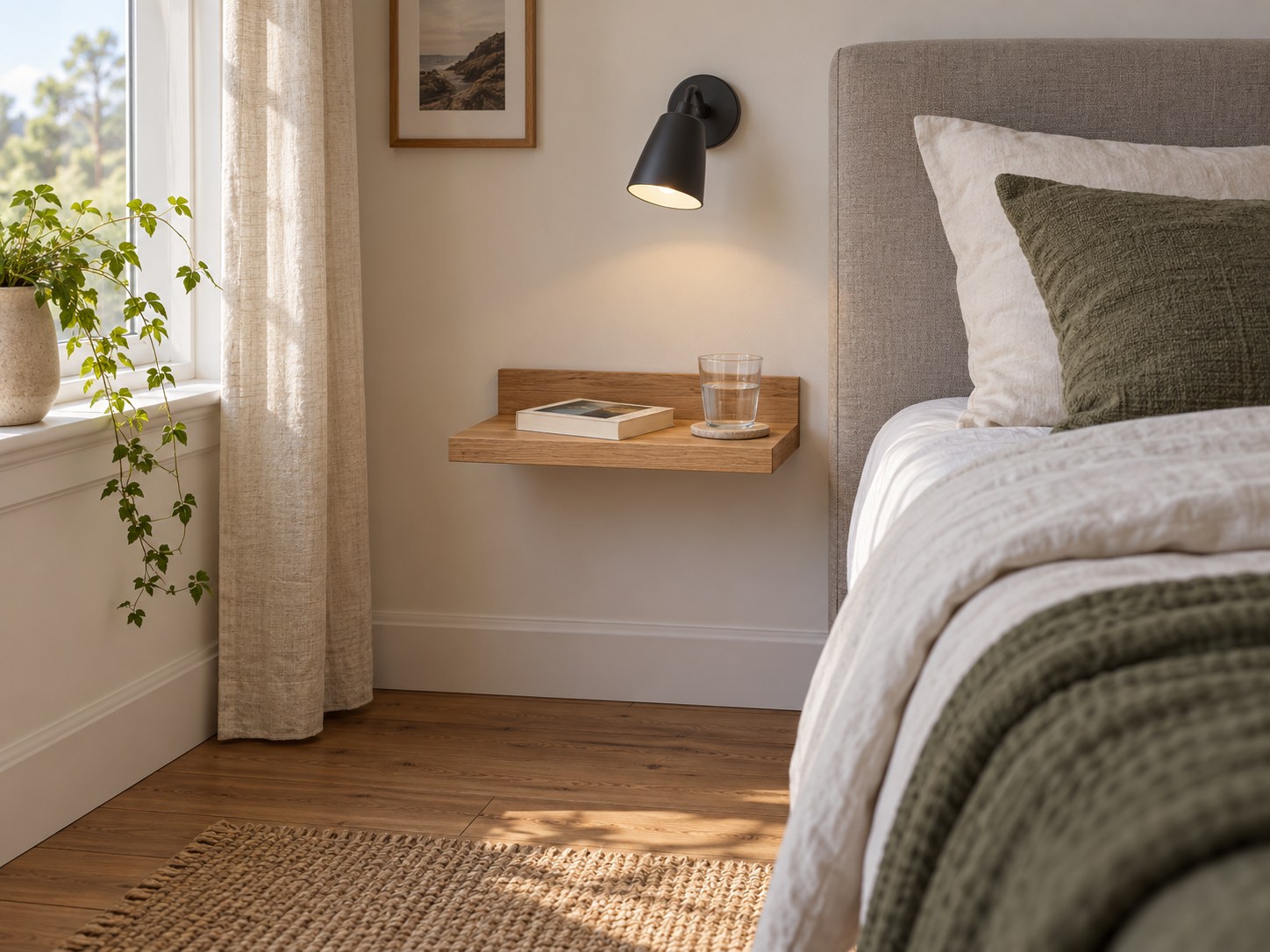
If wall fixing is not possible, a sufficiently deep shelf or console can hold a standing frame. Use a stable surface away from a route where a bag might knock it. A large glazed frame leaning on the floor is not suitable for every household, especially one with small children or pets. The size you choose should reflect these everyday conditions as well as the available space.
Compose with a small selection
Choose three images with a recognisable connection: a place, a secondary colour or a kind of drawing. They need not be the same size. Lay them together on a table and try different orders before buying frames. One large image with two smaller companions is often easier to read than a multitude of almost identical formats.
Leave room around the edges. Frames on a console should not occupy the place where people normally put down keys or a bag. If an object continually hides a picture, move the picture instead of asking everyone to change their routine. Personal photographs can rotate through a single frame, reducing the number of objects you need to install.
Try the arrangement at its real size
Cut paper rectangles to the outside dimensions of the frames, including their borders. Place them on the intended furniture, without sticking them to the wall, to compare proportions. A photograph taken from the doorway often reveals an imbalance that is difficult to notice when you stand directly in front of the arrangement. Check the view from the sofa too: a picture that is visible while standing may disappear behind a lampshade when you sit down.
For a standing display, measure the depth needed by the frame's support leg, not just the thickness of its front. Some legs open surprisingly wide and do not suit a narrow ledge. Leave space behind the frame for cleaning without grasping the glass. If frames overlap, keep the subject of each image visible rather than showing a narrow strip that no longer communicates anything.
Coordinate frames you already own
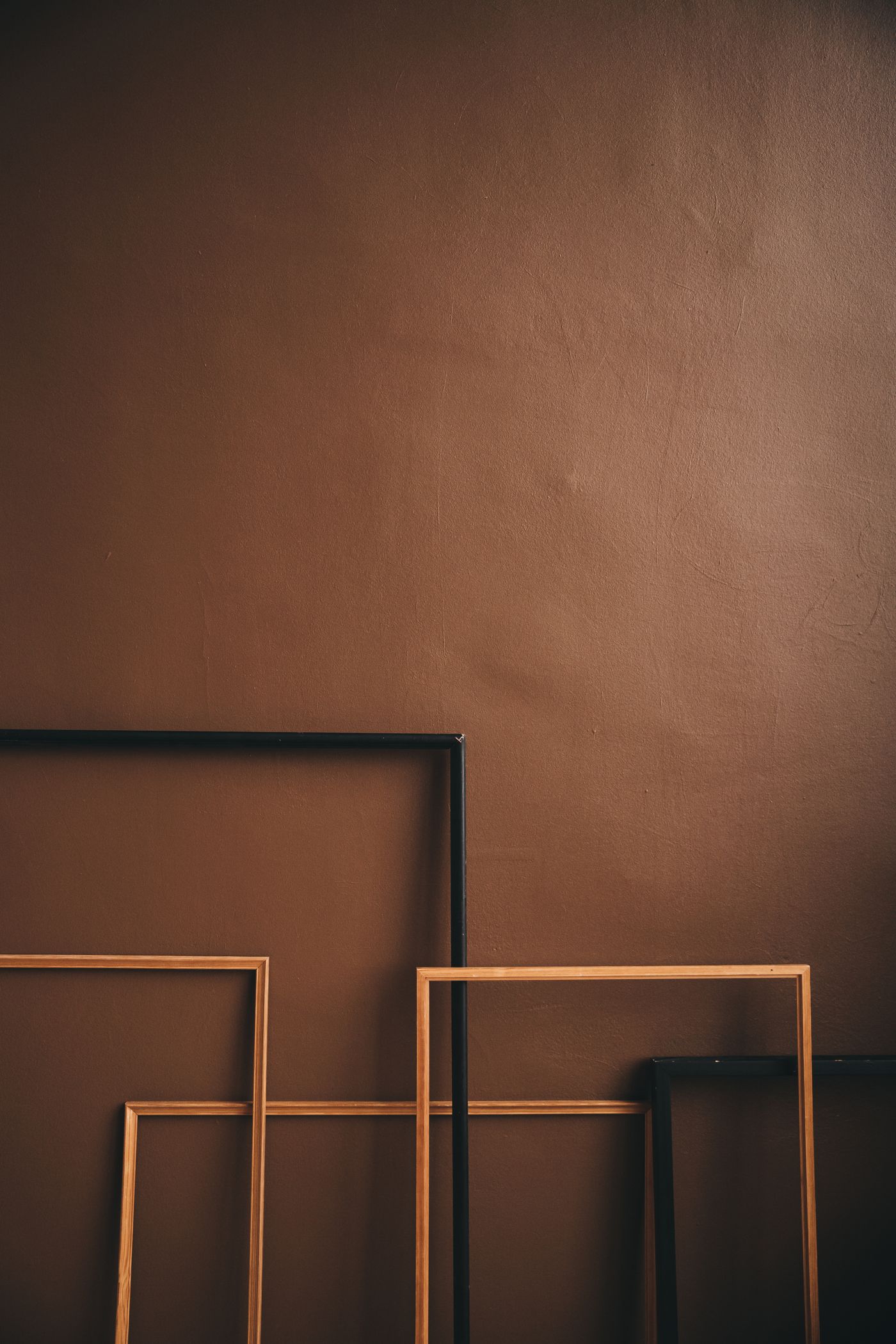
Gather existing frames before shopping for a new matching set. Different finishes can work together when another feature connects them: pale mounts, a shared orientation or predominantly black-and-white images. Equally, using identical frames will not make an overcrowded collection easier to read.
In a room already full of patterns, try one medium-sized picture rather than several small ones. In a quieter room, a pair of different sizes can introduce variation without filling the entire surface. Keep other prints in an identified folder and note their dimensions so they can rotate through a frame you already have. The purpose of the trial is to decide what deserves space, not to fill every available gap. Leave the arrangement in place for a few ordinary days before deciding whether anything is missing.
Plan for the next move
Keep fitting instructions and spare frame parts together. Where mounting is permitted, choose a fixing compatible with the frame's weight and the wall material; do not replace a precise recommendation with a visual guess. Ask for advice if you cannot identify the surface.
Keep valued images away from direct sunshine and regularly damp areas. For a temporary display, reproductions or spare prints are less risky than irreplaceable originals. An arrangement that is easy to change lets the room evolve without reworking every wall or buying another collection of frames whenever you want something different. Store unused prints flat and protected so they remain available for a later rotation.