Keep the search open enough
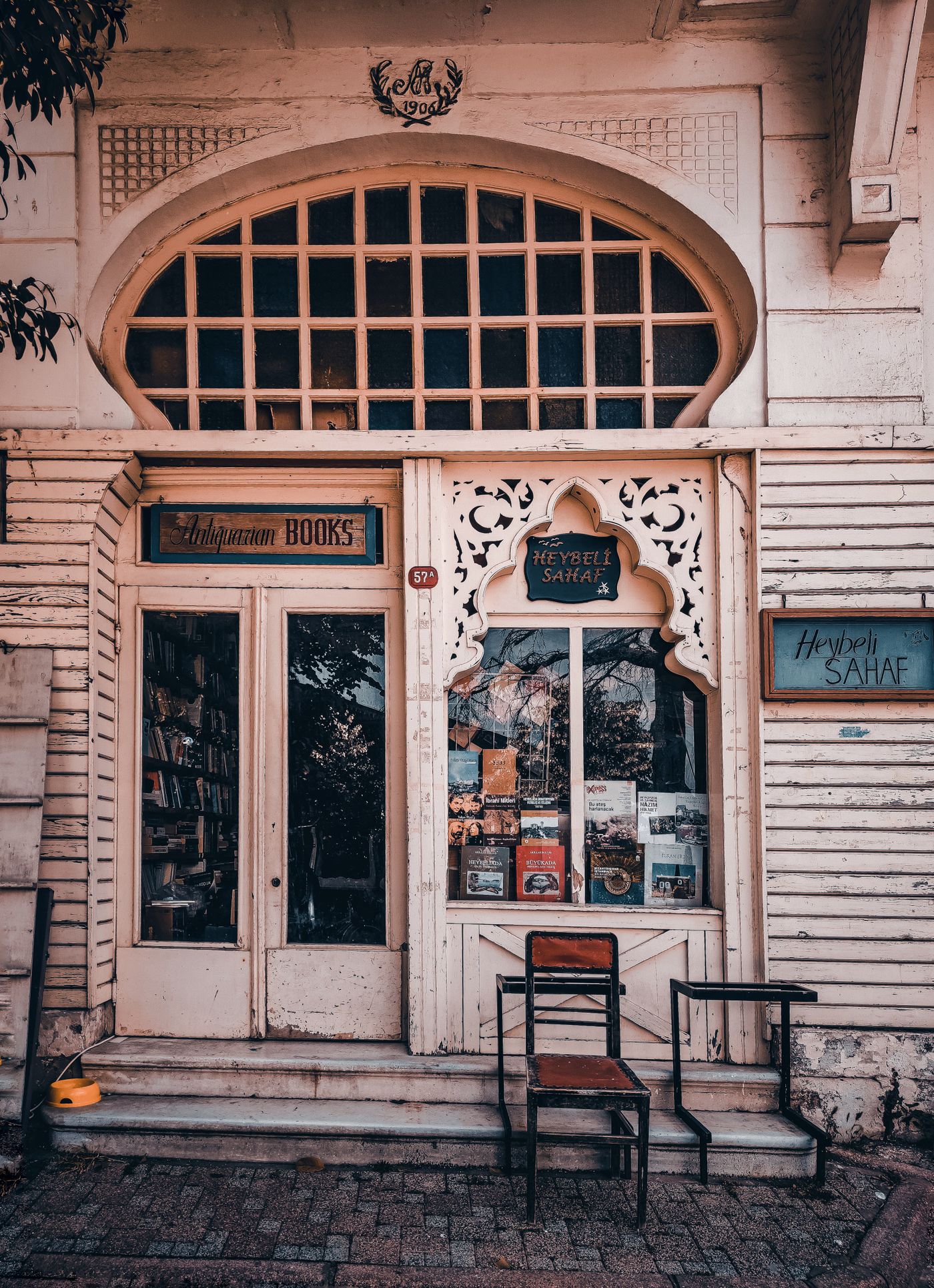
Set a budget and a volume limit before entering a second-hand bookshop or charity sale. Three small paperbacks are different to carry and store from a heavy illustrated book. If seeking a specific title, record the author and, for a translation or technical book, the edition you want. For an unplanned browse, choose a broad subject such as gardens, short fiction or illustration.
First notice how the shelves are organised. Paperbacks may be separate from larger formats, and the same work may appear in several sections. Ask if the system is unclear, then allow time to browse. An enjoyable search does not require checking every shelf or leaving with a purchase.
Examine the actual copy
Open the book gently and inspect pages near the beginning, middle and end. Look for missing pages, distracting annotations, loose binding or signs of damp. A small inscription might appeal to you; a persistent smell or stuck pages affect using the book more seriously. Do not force a fragile cover open to examine the spine.
For information that changes, check the publication date and contents rather than judging only the price. An old atlas might suit a visual collection but not current journey planning. Similarly, choose a hobby book for its instructions and illustrations rather than because it looks rare without evidence that it is. An older edition can be useful when its purpose is clear.
Choose without accumulating
Keep two or three possibilities, then read a complete page from each. Ask when you would open it again and where it would live at home. A low price alone is not a reason to buy. It is fine to record a title and leave the copy behind.
At home, remove loose papers carefully without tearing pages and store the book somewhere dry. When giving a second-hand book, explain the choice plainly and check that its condition suits the recipient. A note identifying the passage that reminded you of them gives the present meaning without inventing a story about whoever owned it before.