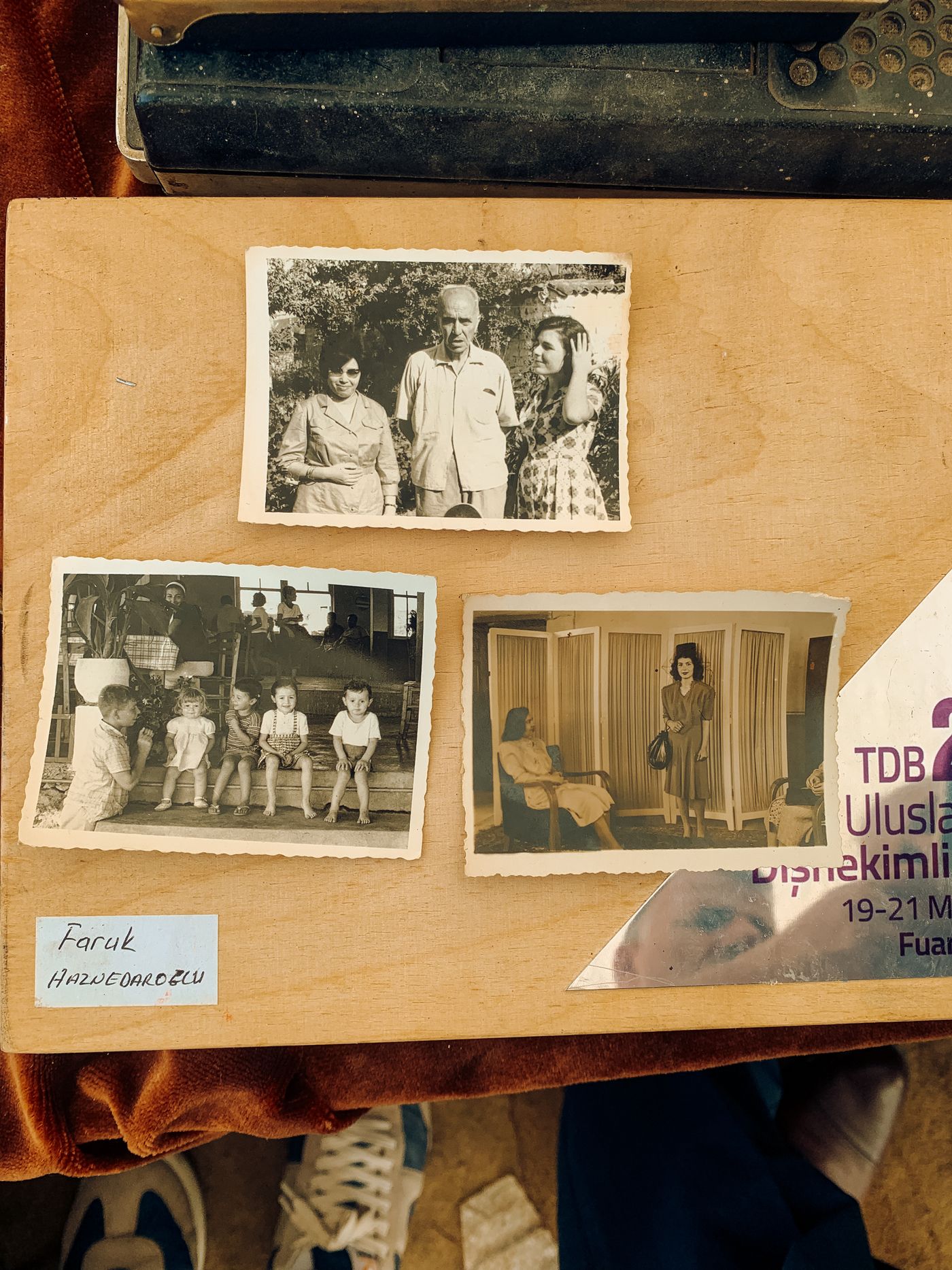
Begin with no more than a dozen photographs, reducing the selection if the board feels crowded. The theme might be a year, a trip or moments in one place. A limited selection gives each image more presence. Copy precious or irreplaceable photographs if they will receive fixings or remain on display for a long time.
Lay the board flat and arrange prints without attaching them. Choose one main photograph or a reading direction, then leave gaps. Mixing horizontal and vertical formats works when the spaces remain clear. Do not try to fill every corner with a ticket or sticker. Photograph the arrangement if you want a reference while attaching the pieces.
Decide how pictures stay in place
Photo corners, compatible clips or a retaining system designed for the board may avoid piercing prints directly. Keep pins and small parts out of young children's reach. Also check the board's total weight and its wall fixing: lightweight pictures do not guarantee a lightweight support.
Add a few captions with a place or date. Write them on separate pieces if you want the selection to change. For images displayed where visitors pass, consider the privacy of the people pictured and avoid exposing readable personal details on documents. A ticket's emotional value does not require showing its booking reference or other sensitive information.
You can make a temporary black-and-white selection from working copies if differing colours prevent you seeing the composition, then return to the intended prints. The purpose is not to alter every image but to distinguish placement from colour. Do not replace original files during these experiments, and retain copies of versions you want to keep. A simple paper sketch of the layout can serve the same purpose without editing any photograph.
When several people contribute, give each a comparable area or number of photographs and compose together. An image that seems secondary to you may matter greatly to someone else. Allow for a photograph to be removed later as well. A shared memory remains connected to the people pictured, not only the board's visual balance. Agree before displaying an image rather than treating participation as permanent permission.
Install the board away from moisture and direct sun to limit deterioration. Check readability from the normal viewing distance: a tiny caption may look attractive close up but be useless across a room. Near a door, ensure movement will not dislodge elements.
Keep removed photographs in an appropriate envelope or album with their context. You can refresh only part of the board instead of starting again. The point is not to produce a definitive display but to make a few chosen memories visible. When pictures begin overlapping without intention, a fresh selection will help more than a larger board. Leave the fastening system accessible enough that changing one image does not disturb all the others.