One side of a street is enough
Choose a quiet street with a comfortable pavement and an easy way to finish early. You do not need a monumental district. Ordinary buildings also show differences in proportion, materials and use. Start on one side to avoid constantly crossing while looking at façades instead of traffic.
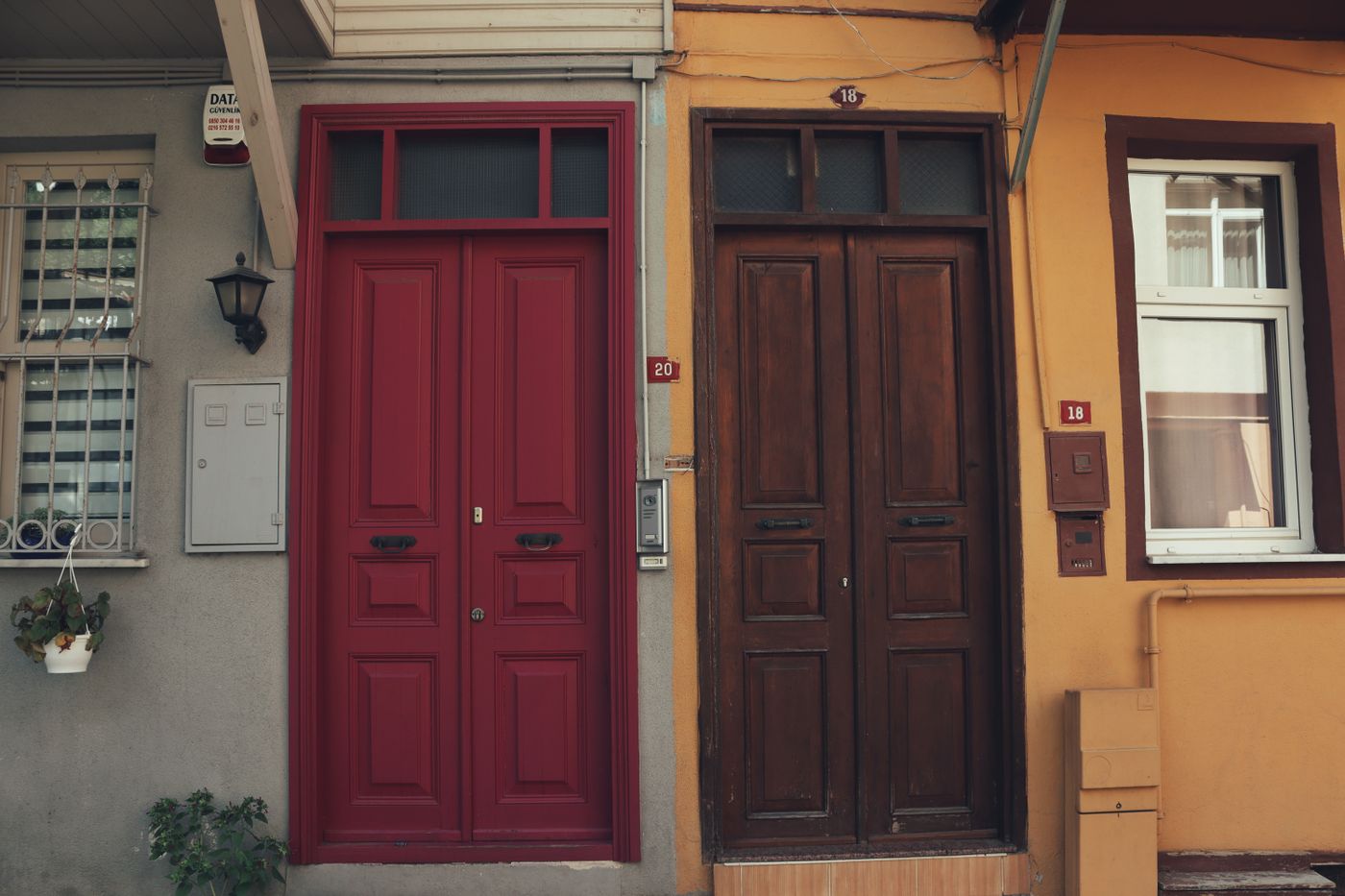
Choose a theme visible from public space: window surrounds, door handles or alternating brick and stone. Bring a notebook or take a few photographs in line with local rules and respect for privacy. Do not aim the camera into someone's home. Keep doorways clear while stopping, particularly outside shops or busy shared entrances.
Describe before explaining
Record what you can actually see. A window is taller than it is wide, a door has two panels or a cornice casts a shadow. Draw these forms using simple rectangles and lines. Avoid confidently assigning a century or architectural style when you do not know it. A question in the notebook is more useful than an invented label.
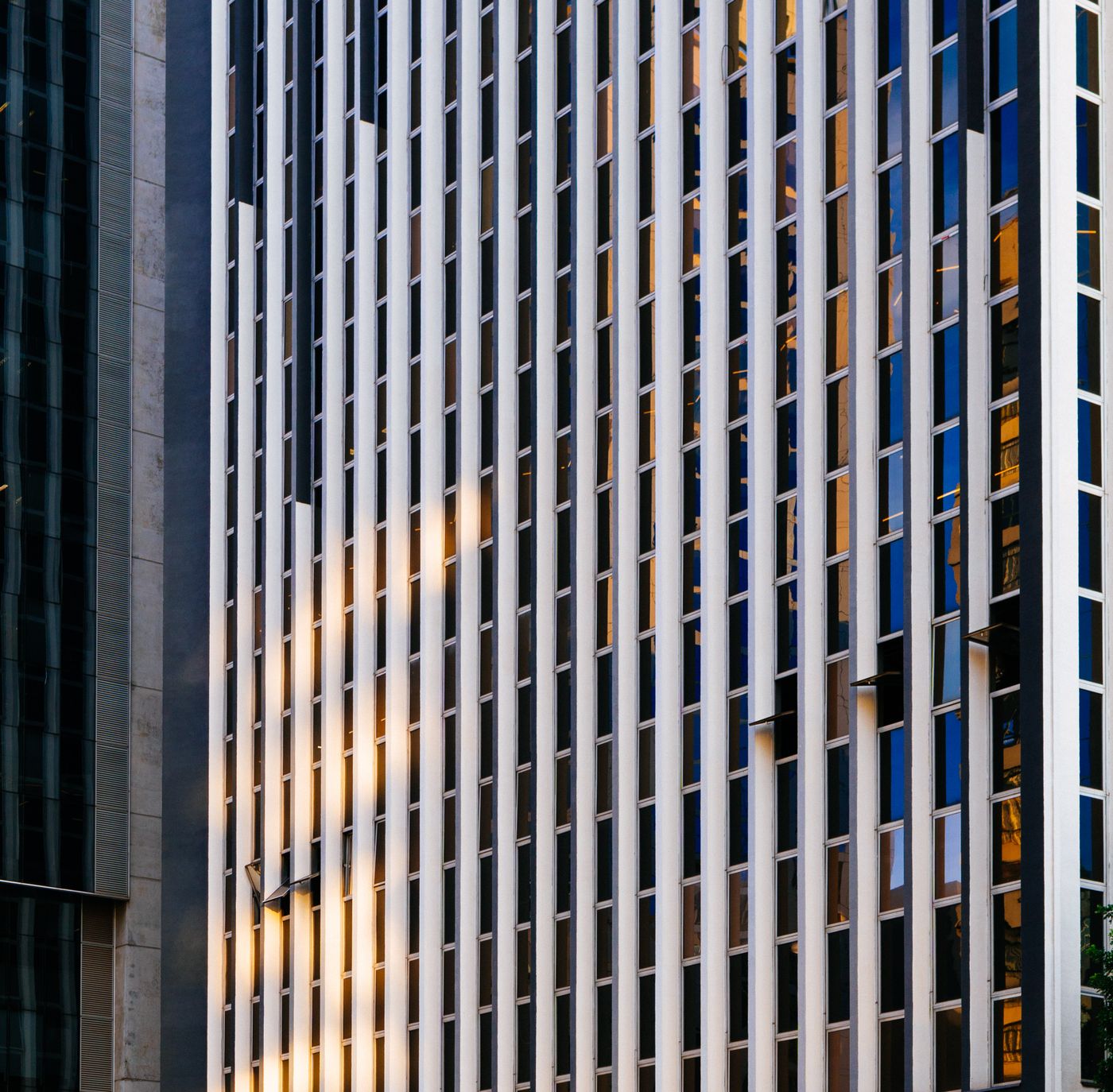
Look for a repetition and an exception. Perhaps three buildings share the same window rhythm while a fourth breaks it. Compare ground floors with upper storeys, which often serve different purposes. These observations provide a way to look without turning the walk into an improvised history lesson or requiring specialist vocabulary.
Follow one question through a local source
Afterwards, use a municipal or heritage resource, or ask at a library, to investigate one detail. An official plaque on the building may provide a starting point. When sharing notes, distinguish information you found from your own impressions.
Do not attach anything to buildings or make rubbings of surfaces without permission. Respect entrances, businesses and residents. Create a page with three sketches and one unanswered question if that is enough. On a later visit, look at the same façade at another time of day. Different light may reveal mouldings and textures you previously missed, even though nothing about the building itself has changed.