Match the path to the group
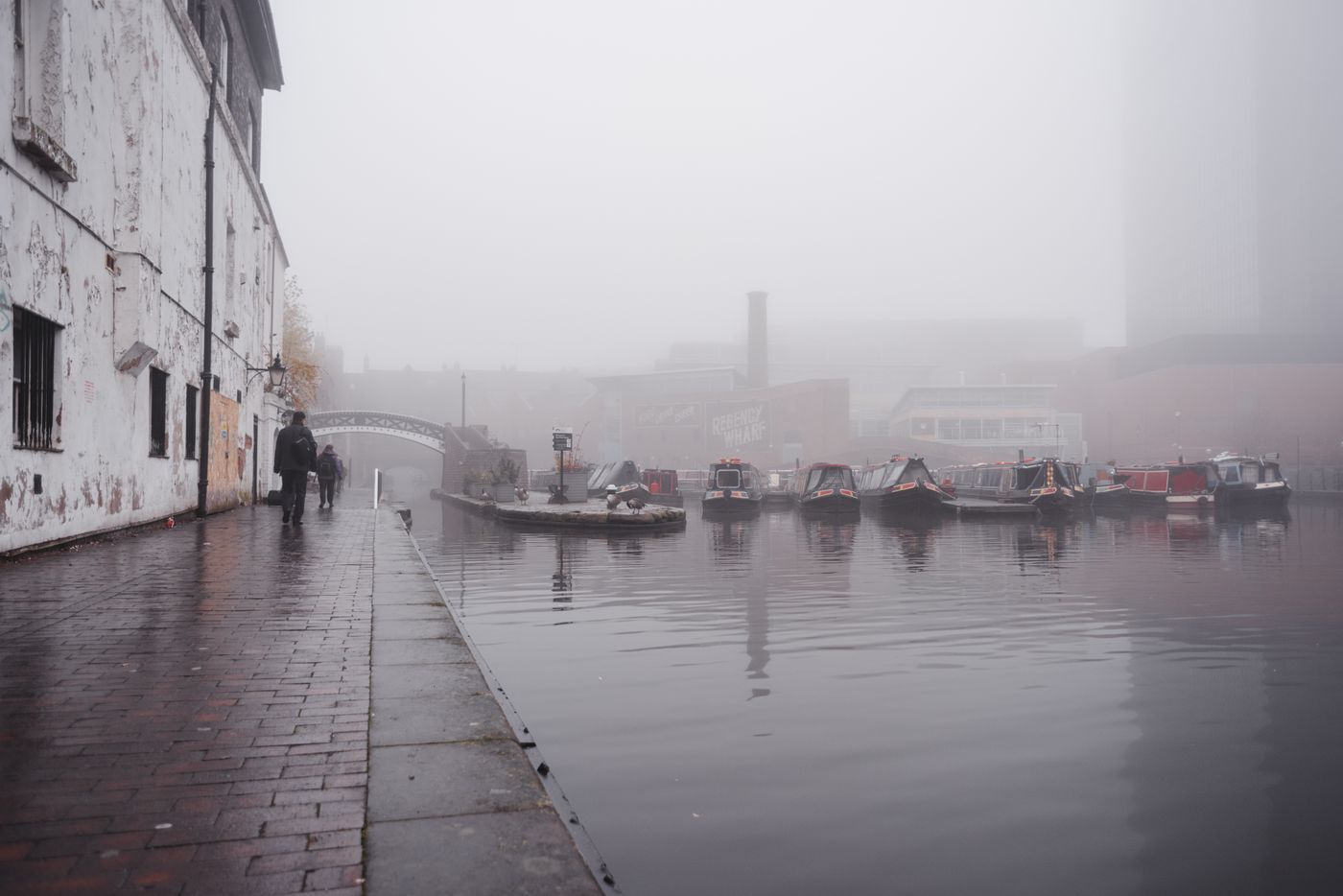
A canal seems to offer an obvious route: simply follow the water. However, towpaths vary considerably. Some are wide and surfaced, while others are narrow, muddy or interrupted. Before leaving, check local information about access, works and permitted uses. Confirm suitability for a pushchair or anyone with limited mobility instead of relying on a photograph taken in dry weather.
Begin with a short out-and-back walk. The total distance is twice the distance to your turning point, which prevents an unexpectedly tiring return. A circular route is useful only if the section away from the canal is also suitable. If returning by public transport, check the exact stop, that day's timetable and an alternative if the connection fails.
Describe the surface to the group before meeting. Someone may welcome an hour's walk but not a series of narrow sections without somewhere to sit. Identify benches, road access and turning points. A regular walker's experience is not representative of every participant, especially when conditions have changed since their last visit.
Give the stops a purpose
Choose two or three features to observe: a bridge, a line of trees or a lock visible from a public area. Do not treat a lock as a play space. Remain behind barriers, follow displayed instructions and leave mechanisms alone. Water and sudden changes of level need attention even when the surroundings appear quiet.
On a shared path, leave room for other users to pass. Keep children and animals close, avoiding long leads stretched across the route. Stop somewhere sufficiently wide and away from the edge before taking photographs. Birdsong or a passing boat can make it harder to hear an approaching bicycle, so keep looking around rather than relying on sound alone.
Locks can be interesting when a boat passes, but stay clear of staff, ropes and mooring points. Respect the space needed for manoeuvres and local instructions. Observing from a designated public area lets you see the process without becoming involved or distracting the people operating equipment. Move on if a suitable viewing position is unavailable.
Allow for exposed sections
A canal route may offer little shade for a considerable distance. Check the forecast, carry water and adapt clothing to sunshine, wind or rain. Trees at the starting point do not guarantee shade throughout the walk. Identify places where you can leave the route if the weather changes or someone wants to return early.
Shoes suited to the surface matter more than a bag full of accessories. An extra layer, a charged phone and return directions may be enough for a short outing, but adapt preparation to the actual conditions. Canal water is not drinking water. Do not approach an unstable edge to fill a bottle or assume that clear-looking water is suitable to use.
Check the distance to drinking water or toilets when these matter to the group. Houses visible across the canal do not mean a shop is accessible from your bank. Prepare basic needs beforehand and leave time for an unplanned stop. Avoid building a route around facilities whose opening or public access you have not confirmed.
Make an observation rather than a target
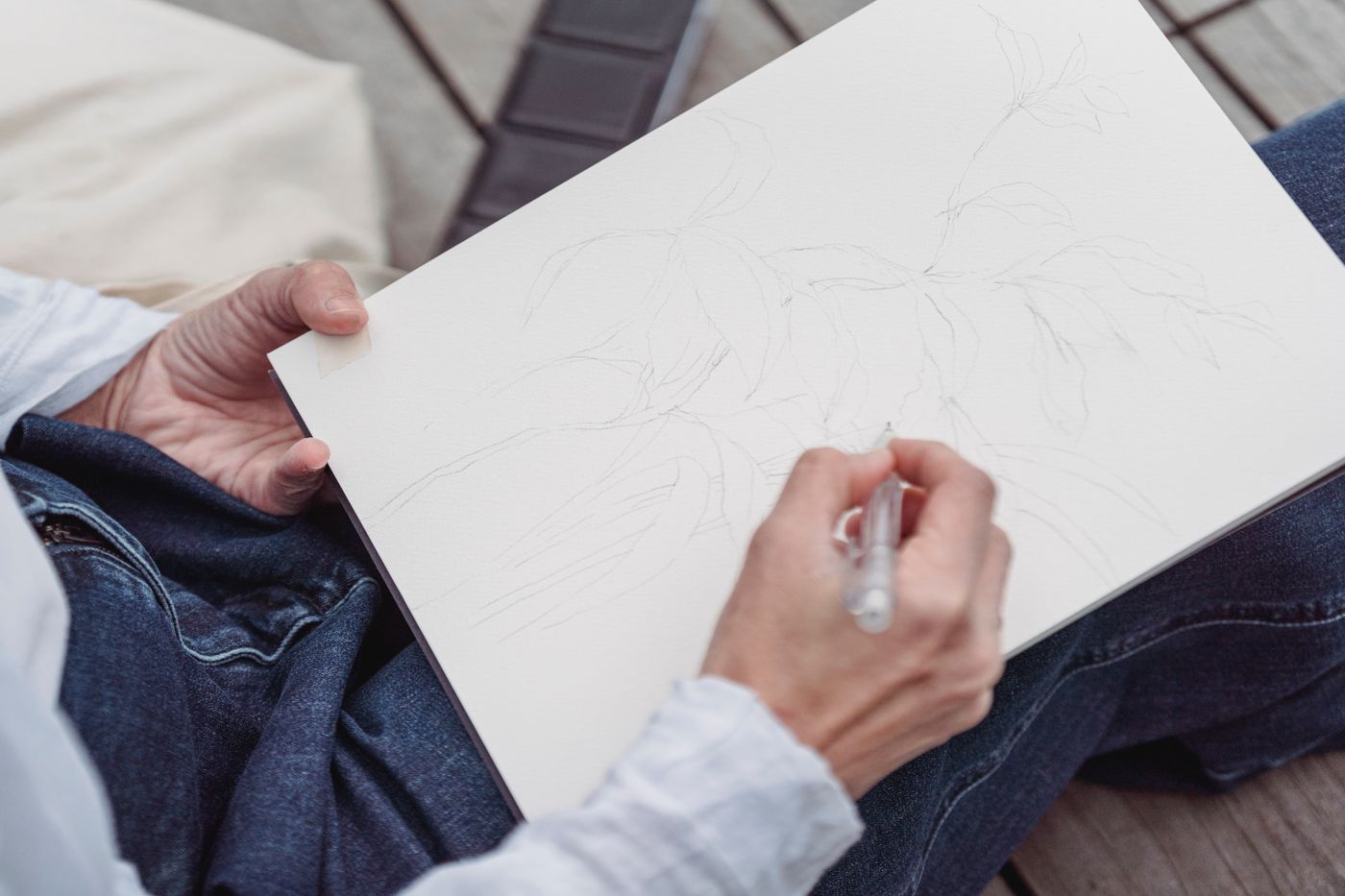
Choose a modest theme: sketch three bridge shapes, compare reflections as the wind changes or note the different materials used along the bank. Remain on the path, without collecting plants or disturbing animals. Photograph a species from a distance and record the location if you want to identify it later.
Afterwards, keep one useful detail for another visit: 'very exposed after the second bridge' or 'bench before the bend'. Specific observations explain the route better than a general rating. Turn back if a section proves unsuitable. Reaching a point marked on your plan is not more important than responding to changed conditions, tired legs or an uncomfortable surface.
Compare two parts of the route: a sheltered section and an open one, or a planted bank and a built edge. Record differences in sound, light and view. The comparison gives walkers a shared subject without specialist knowledge or a performance target. It also explains why different sections of the same distance may feel quite different.