Let one question guide the visit
Before leaving, check access, opening hours and any rules about drawing or photography. Bring a small notebook, a pencil and protection for the paper if rain is possible. One question can provide a thread through the visit: which leaves look almost geometric, how are climbing plants supported, or which textures appear together in a bed?
Choose something you can observe from the paths. A notebook is not a reason to cross borders or move plants aside to find a label. Keep the route clear while stopping. A nearby bench may let you draw more comfortably without blocking other visitors or hovering over a delicate planting.
Three notes for each plant
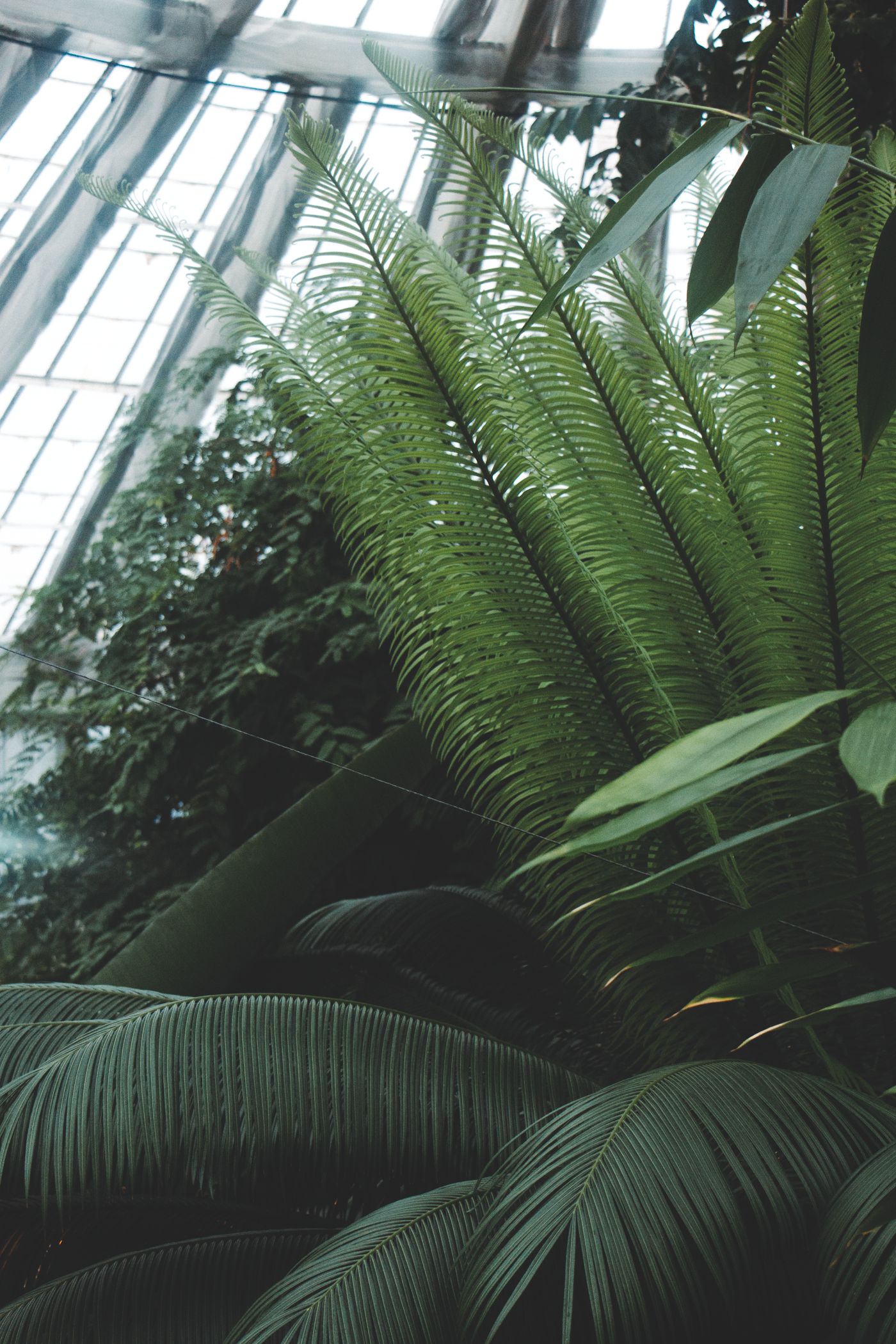
For each chosen plant, record the name on its label, one visible detail and why it caught your attention. Photograph the label if permitted and copy it later. Do not replace missing information with a guessed identification. 'Unidentified plant with fan-shaped leaves' preserves an honest observation that you can investigate afterwards.
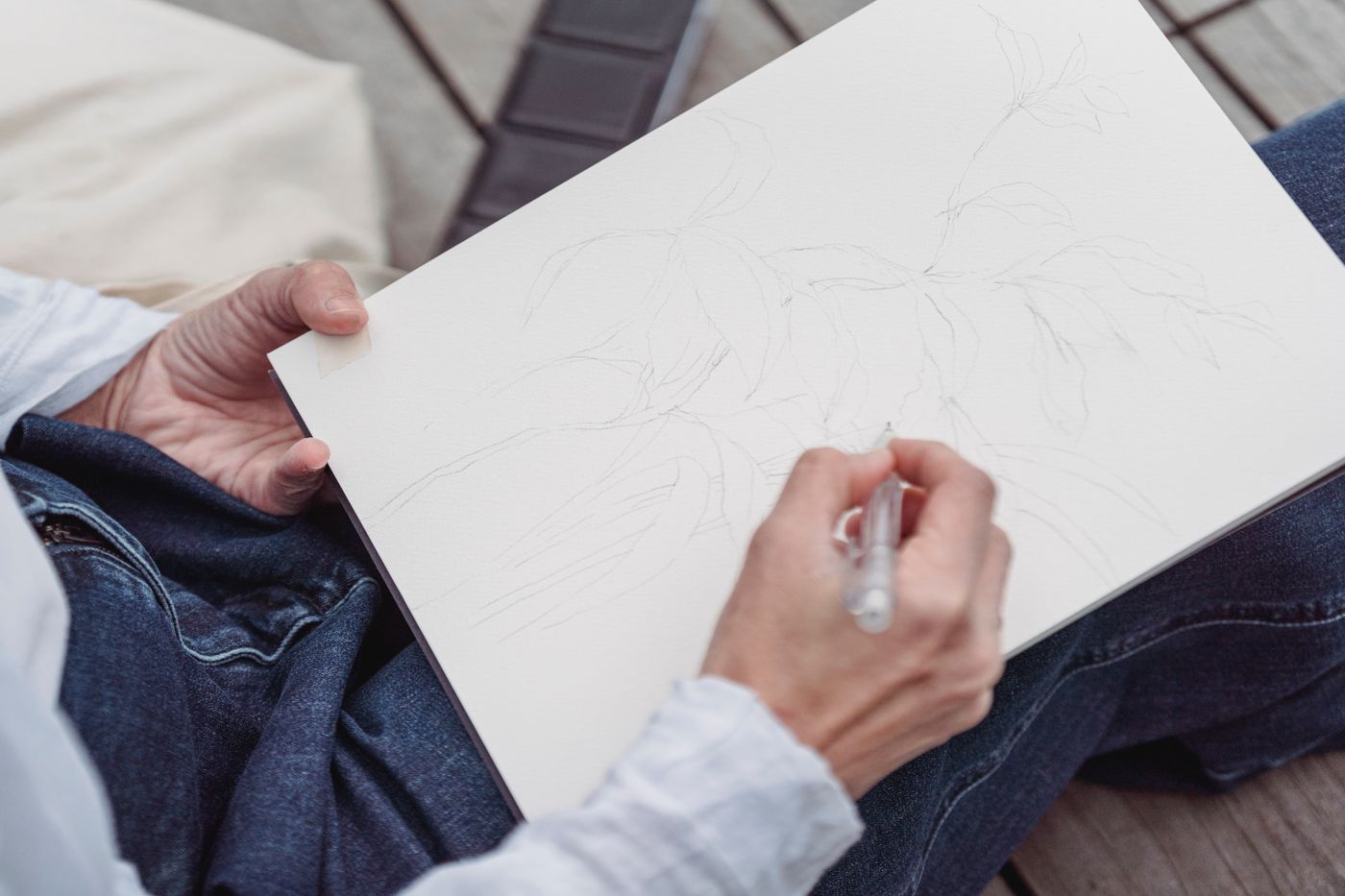
Sketch a broad form rather than attempting a complete botanical illustration: a leaf outline, the rhythm of stems or the overall silhouette. Add an approximate scale, perhaps comparing its height with your notebook, without touching the plant. Quick drawings and words can support each other; neither needs to replace the other or look suitable for publication.
Separate inspiration from shopping
A plant that interests you in a botanical garden may not suit your home or climate. Growing conditions, space and care can be very different. If you want to grow it, investigate its requirements through a reliable horticultural source, including any precautions relevant to pets or children.
At home, reread three observations and add a question if one occurs to you. You could organise pages by form rather than date: round leaves, bark or climbing plants. Still retain the place and season, which explain what you saw. Never collect seeds or cuttings without explicit permission. The notebook is a way to bring ideas home while leaving the plants in the garden.
Make a comparison page
Choose two plants visible in the same area and draw their outlines side by side. Compare one aspect: leaf shape, stem direction or how they occupy space. Note whether the light differs too. The page does not need to establish which would be better in your garden; it simply describes two ways of growing.
If labels mention regions of origin or botanical families, copy accurately and investigate the terms later. Do not assume that visually similar plants have identical needs. Comparison helps form a question but does not replace specific growing advice. Keep a page of questions if useful without turning it into compulsory homework after every visit. Date the comparison so you remember whether flowers, fruits or bare stems were part of the observation at that season.